Rug Hooking Tools and Supplies for Retail Buyers
Buy hooks, backing, wool strips, frames and cutters as a working system. Record compatible combinations, replacement paths and support information before building displays or classes.
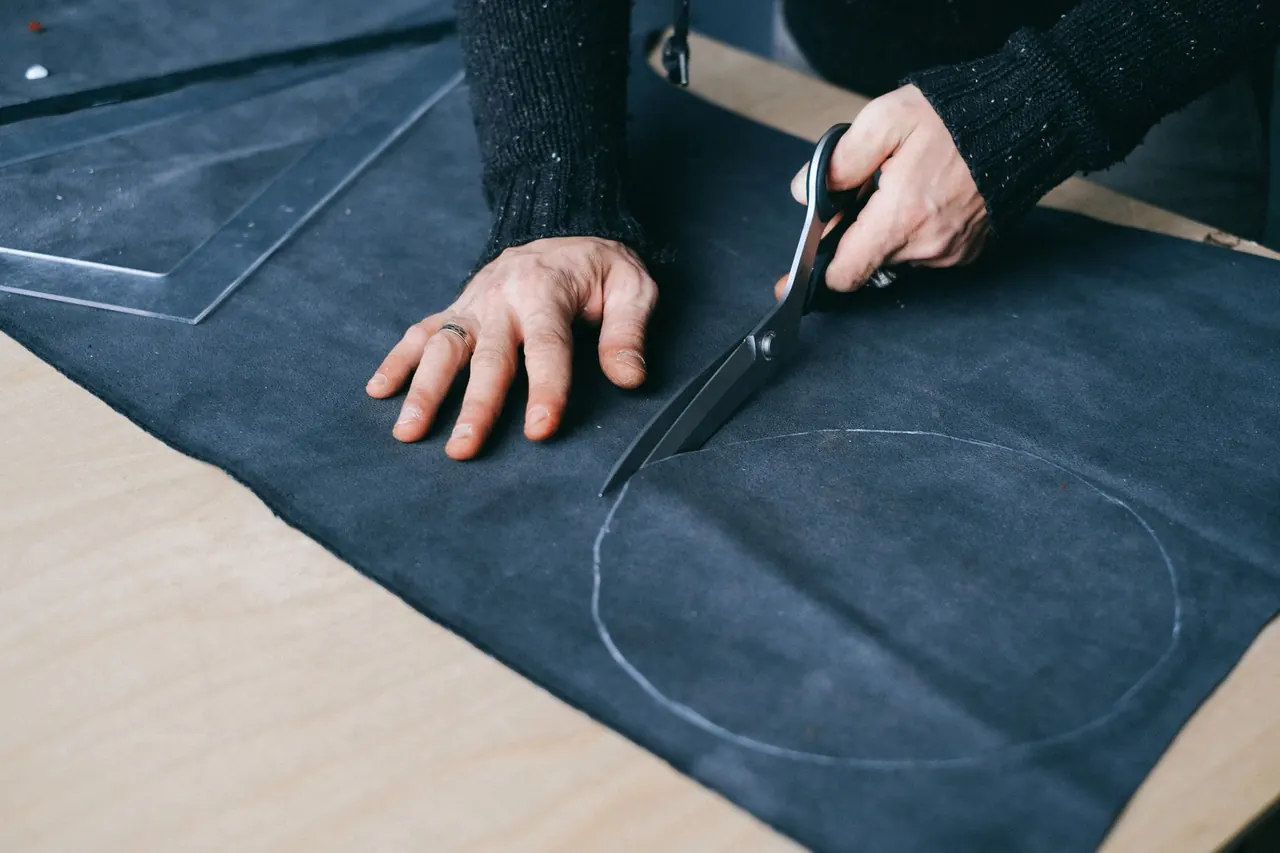
Treat the assortment as a system
A low price on one tool does not help if the shop cannot explain what it works with or replace the parts that wear. Give every item a role in a complete project path: material preparation, pattern transfer, hooking, work holding, cutting and finishing. Then identify the beginner option, upgrade reason and replacement route within each category.
| Category | Product data to require | Dependency to resolve |
|---|---|---|
| Rug hooks | Tip or opening description, shaft dimensions, handle dimensions and materials, finish, weight when supplied, and intended material range | Backing and wool-strip combination |
| Backing cloth | Fiber, construction, width, usable width, weave information, preparation and care guidance | Hook tip, strip bulk, pattern size and frame grip |
| Frames and hoops | Working area, overall dimensions, grip method, adjustment, mounting and replacement components | Backing size, edge allowance, work surface and user position |
| Wool cutters | Cut produced by each cutter or blade, material guidance, adjustment, cleaning, service and blade availability | Wool type, planned strip range and replacement inventory |
| Finishing supplies | Material, dimensions, care, quantity and use instructions | Project edge, backing, display method and customer skill |
Specify rug hooks without overselling comfort
Hook choice combines material compatibility with personal grip and working position. Terms such as “ergonomic” or “all-purpose” are not enough for a buyer record. Require dimensions and intended-use guidance, and let customers compare handle shapes without implying that one shape will suit every hand.
| Hook feature | Record for each SKU | Retail use |
|---|---|---|
| Handle | Length, widest diameter, contour, material, finish and weight if available | Supports side-by-side grip comparison and accurate online descriptions |
| Tip or opening | Maker’s size name, actual dimensions when supplied, shape and recommended strip or fiber range | Connects the hook to the material rather than relying on a size label alone |
| Shaft | Length, angle and transition into the handle | Explains reach and working position differences |
| Surface finish | Supplier’s finishing method and acceptance standard for rough areas, burrs or exposed joins | Creates a clear incoming-inspection and defect conversation |
| Construction | Fixed or replaceable components, care, warranty, repair path and country of manufacture | Clarifies service life, support and landed cost |
A practical price ladder needs a reason for every step. An entry hook may emphasize accessibility and clear use instructions; another option may offer a different handle geometry; a premium tool may offer different materials, finish or maker support. Do not create tiers from price alone.
Verify hook, backing and wool-strip compatibility
The hook, folded or flat strip, backing opening and frame tension affect one another. Supplier size names may not be directly comparable, so approve combinations by SKU and specification rather than assuming that two “medium” products are equivalent.
| Variable | What must align | Evidence to keep |
|---|---|---|
| Hook tip | The tip must enter the chosen backing and hold and release the intended strip without requiring an unsuitable opening | Hook SKU, dimensions or maker guidance, and approved strip range |
| Wool strip | Cut width, thickness, direction, edge stability and whether it is worked folded or flat | Wool SKU and lot, cutter or pre-cut SKU, and actual cut description |
| Backing | Construction and openings must support the hook-and-strip pair while retaining stable surrounding threads | Backing SKU, supplier specification, preparation state and visible weave reference |
| Frame tension | The holding method must keep the working area usable without damaging or distorting the backing | Frame SKU, grip method and setup note |
| Pattern density | Line spacing and planned texture must leave room for the selected material system | Pattern SKU and any designer material guidance |
A repeatable sample-evaluation process
- Choose the exact wool and strip preparation customers will use; record width, thickness and direction.
- Mount the intended backing on the intended frame or hoop using normal shop setup instructions.
- Evaluate whether the hook enters, catches the strip and releases a loop without snagging fibers or forcing a visibly unsuitable opening.
- Review both faces of the backing for split or displaced threads and note any technique guidance required.
- Repeat the comparison when a supplier changes the hook, backing construction, wool base or cutter specification.
This is a product-approval process, not a universal performance claim. Record the materials and conditions so staff do not generalize the result to unrelated products.
Buy backing by specification, not name alone
Backing names can be used broadly in product catalogs. Ask for the construction and intended technique instead of assuming that every cloth sold under the same familiar name has the same weave, width or preparation.
- Fiber content, weave or construction description and country of manufacture
- Total width, usable width and selvage treatment
- Thread spacing or other supplier-provided weave specification, including permitted variation
- Whether the cloth is supplied prepared, and the applicable care or shrinkage guidance
- Recommended hook and material range, pattern-transfer method and marking restrictions
- Roll length, cut minimum, fold or roll packing and damage allowance
- Lot or production identification and process for reporting weave faults
For drawn patterns, include enough edge allowance for the planned frame and finishing method. State whether the listed dimensions refer to the design area, cut backing or both; these are not interchangeable for class and kit planning.
Match frames and hoops to the complete project
List the working area separately from the overall footprint. Buyers also need to know how the backing is held, what table or stand is required, whether the angle adjusts, how the frame is transported and which grip components are replaceable. A compact project can still require more backing around the design than a small frame exposes.
- Working area and outside dimensions
- Backing edge allowance needed by the grip method
- Table clamp, lap, floor-stand or other support requirements
- Adjustment and assembly instructions
- Protective cover guidance for exposed gripping surfaces
- Replacement strips, grippers, knobs, clamps or hardware and their SKUs
- Warranty, repair, damage and missing-part procedures
Plan cutters around blades and service
A cutter is an equipment program, not a one-time SKU. Map each cutter to its blade or cutting head, the strip it produces, compatible wool, maintenance instructions and replacement availability. Keep the product record current when a component is revised or discontinued.
Before the opening order
- Request setup, adjustment and cleaning instructions.
- Confirm which blades are included and which are optional.
- Ask whether service is performed by the shop, supplier or maker.
- Calculate freight and packaging for the equipment and its spares.
For ongoing support
- Give every replacement part its own stock record.
- Keep compatibility and revision notes with the cutter SKU.
- Define the damaged-blade and warranty process.
- Do not promise a strip size beyond the maker’s stated specification.
Set an incoming quality-control routine
Inspect received products against an approved sample or written specification. The routine should be proportionate to product risk and should identify who releases stock for sale.
- Hooks: correct model, dimensions where specified, secure construction, finish and packaging
- Backing: SKU, width, quantity, preparation, visible weave faults and shipping damage
- Frames: included hardware, assembly information, grip condition and replacement references
- Cutters: model, included components, instructions, serial or revision information where supplied, and transit condition
- Finishing goods: dimensions, material, quantity, label and care information
Photograph and quarantine a questionable item before it reaches a kit, class bin or customer order. Report the supplier SKU, purchase order, received quantity and a specific description rather than using a general “defective” note.
Build a shelf that staff can explain
Start with a clearly supported project path rather than many nearly identical tools. Place compatible hooks, backing and wool-strip examples together. Add a small comparison card with dimensions, intended material range, included parts, care and upgrade reason. If demonstration samples are available, label them separately from sellable stock.
Class-critical items need reorder points based on committed sessions and supplier lead time. Track hooks, backing, frame parts, cutter blades and finishing materials separately from optional accessories. A class should not depend on stock that has already been allocated to ordinary retail orders.
Compare supplier support and total cost
Add freight, duties or brokerage where applicable, inspection time, assembly, demonstration stock, warranty handling and replacement inventory to the merchandise cost. Imported tools also need documentation, parts and service planning; use the importing guide to extend the quote review.
- Opening and reorder minimums, including mixed-model ordering
- Stable SKUs and notice before design or component changes
- Current dimensions, materials, instructions and approved product images
- Parts list, service contact, warranty scope and return authorization process
- Packaging suitable for retail handling and parcel shipment
- Lead time for both the main product and its replacement parts
Find possible tool and material sources
Use the fiber art supplier directory as a research starting point, then request current specifications and compatibility guidance directly. Coordinate the tool range with the shop’s pattern assortment and kit plan before placing a broad opening order.