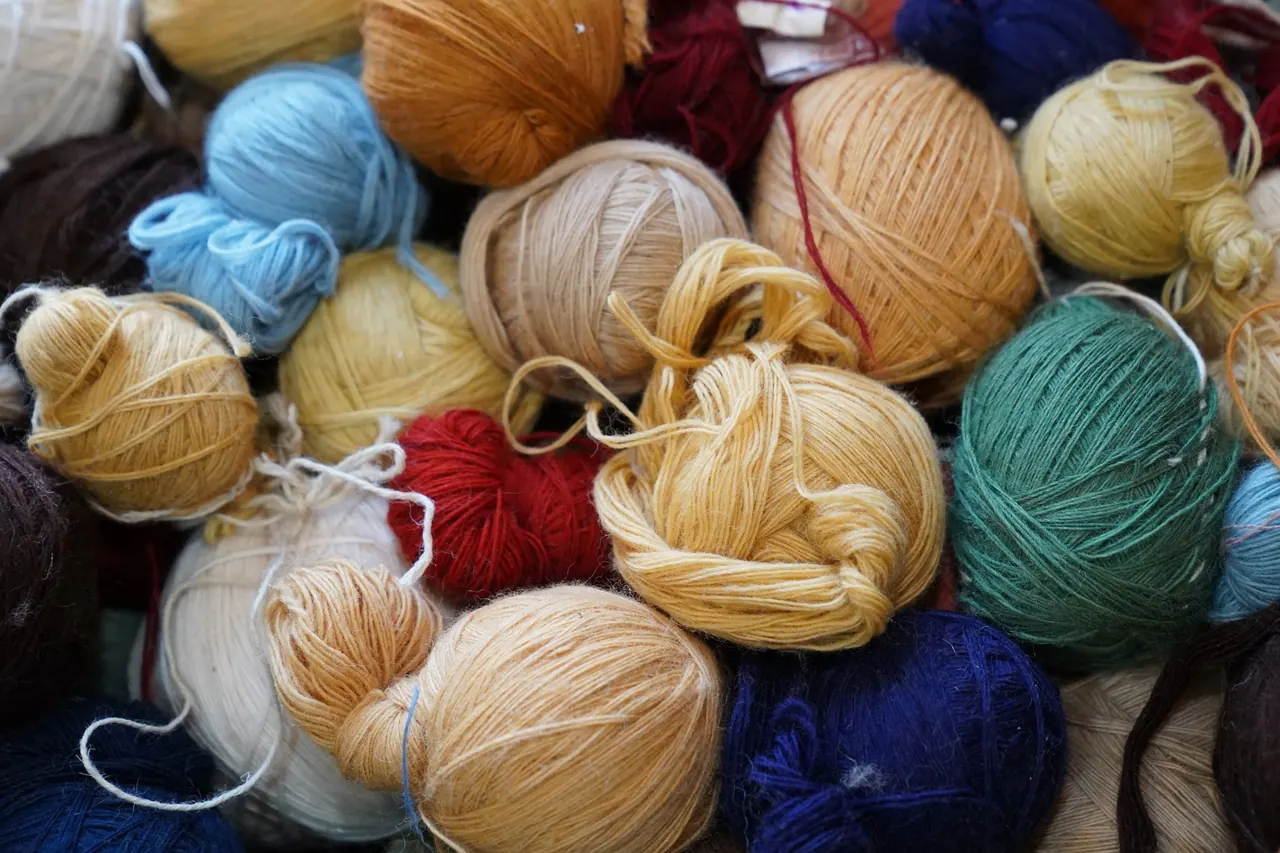
Source hand-dyed wool
Compare cuts, fiber details, color variation, samples, dye-lot policies and retail assortment formats.
FPB Fiber Market turns common supplier questions into practical checklists for independent retailers, instructors and studios. Compare product specifications, order terms, landed costs and reorder risks before inventory reaches the shelf.
Each guide owns a distinct task, so buyers can move from material evaluation to ordering without reading the same advice on several pages.
Compare cuts, fiber details, color variation, samples, dye-lot policies and retail assortment formats.
Check how hooks, wool strips, backing, frames, cutters and replacement parts work together.
Audit included components, instructions, material allowances, class suitability and replacement stock.
Review templates, wool cutting, thread, stabilizers, fusibles, notions and kit formats.
Plan themes, sizes, formats, skill levels, licensing, class use and seasonal release timing.
Use review-dated links to official fiber art business websites, then verify current terms directly.
Build a product specification, compare export-ready suppliers, estimate landed cost and inspect a pilot order. The guide includes a transparent hypothetical cost example and links to current CBP, USITC and FTC resources.
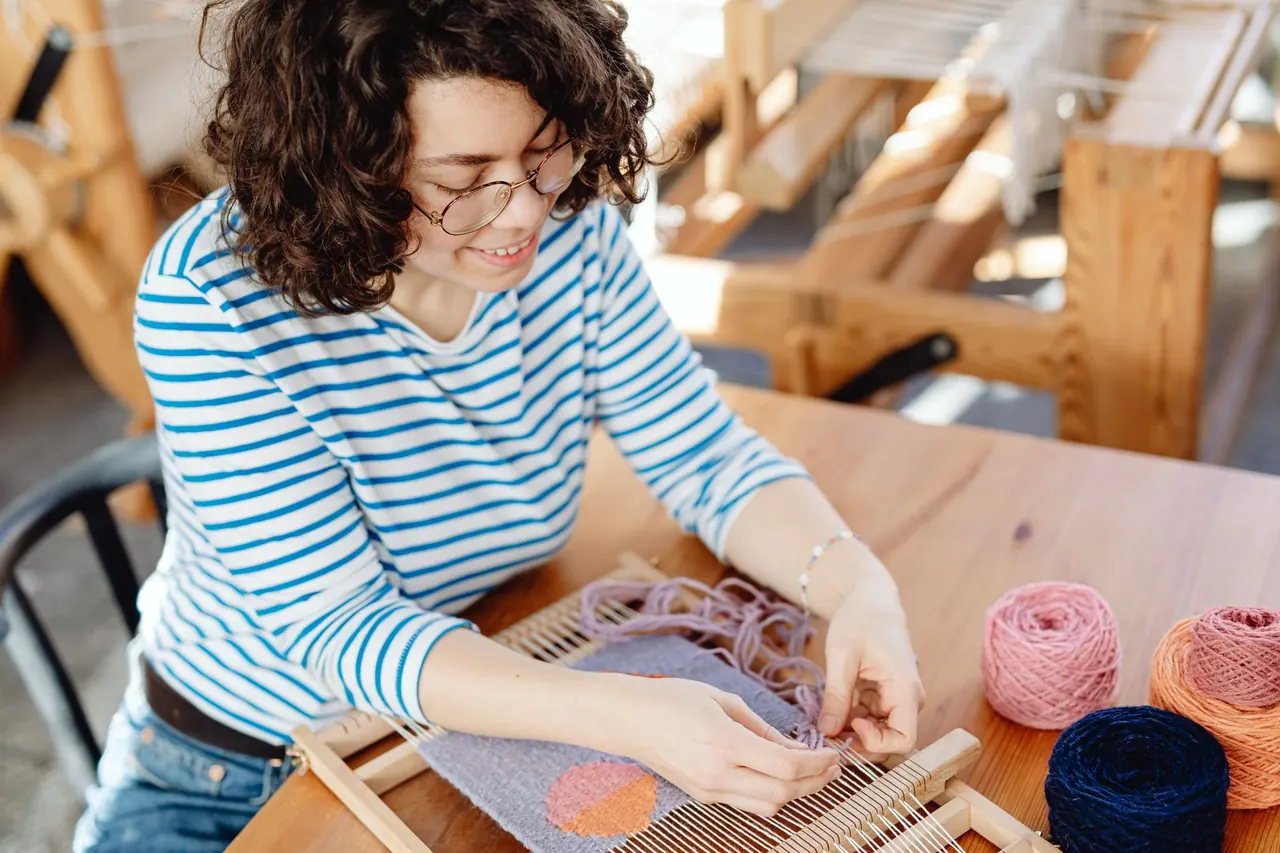
Keep supplier discovery, due diligence and ongoing management separate. Each step needs different evidence.
Score fit, request samples, clarify written terms, check capacity and define a pilot-order decision gate.
Describe and classify each item, request documents and model freight, fees, duties and handling.
Maintain product data, dye-lot notes, issue logs, substitutions, version history and review dates.
FPB Fiber Market is not a seller, customs broker, lawyer, trade association or guarantee of supplier performance. Buyers remain responsible for samples, contracts, classifications, permits and destination-specific requirements.